Cooling Services
Bring to the table win-win sur...

You can dream, create, design, and build the most wonderful place in the world with Future House.
Bring to the table win-win sur...
Bring to the table win-win sur...
Bring to the table win-win sur...
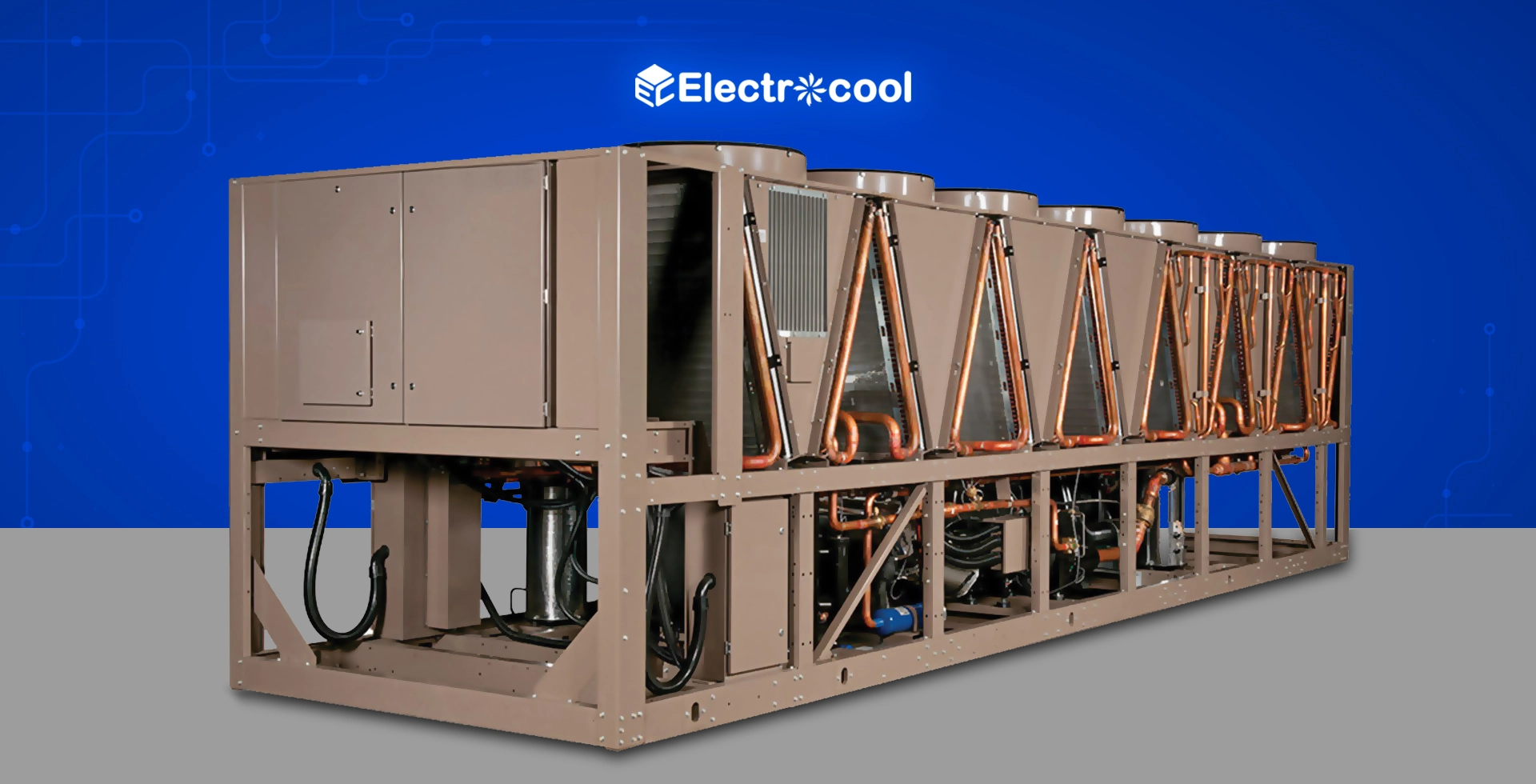
The design of central air conditioning systems, industrial chillers, and fan coil units involves several steps to ensure maximum energy efficiency and uniform distribution of cooled air within buildings or industrial and commercial sites:
Thermal Load Calculation:
The thermal loads of the site to be air-conditioned are studied and analyzed, taking into account the number of occupants, equipment, heat sources, and room sizes.
Cooling and heating requirements are determined accurately to ensure a comfortable and energy-efficient environment.
Engineering Design of Indoor and Outdoor Units:
Indoor fan coil units are selected according to room size and ceiling height to ensure balanced air distribution.
Locations of outdoor units (chillers or central air conditioning units) are determined to suit the site’s infrastructure and allow easy access for maintenance.
Equipment Selection:
Central air conditioning systems and industrial chillers are selected according to the site’s requirements, considering different models, cooling capacities, and energy efficiency.
Appropriate fan coil units are chosen based on the required airflow and room size.
Connections and Installation:
Pipe and duct routes are designed to efficiently connect outdoor and indoor units, using high-quality materials such as copper and thermal insulation.
Electrical wiring and control panels are designed to facilitate system operation and monitoring according to industry standards.
Control and Safety:
Intelligent control systems are installed to regulate temperature, airflow, and energy efficiency.
Compliance with industrial safety standards ensures sustainable and safe operation of the equipment.
Maintenance and Technical Support:
Operation instructions and regular maintenance guidelines are provided to ensure continuous high-performance system operation.
Technical support and preventive maintenance services can be offered according to client needs.